Microcurrent Facials at Home: What Microcurrent Does and How to Use It
Microcurrent is a favourite of facialists before red-carpet events, and at-home devices now make it part of everyday routines. It is often described as a workout for the face. Here's how it works, what you can realistically expect and how to use it safely.
Spavio AI editorial team5 min read

What is microcurrent?
Microcurrent devices send a very low electrical current — measured in microamperes — through the skin. The current is so gentle that most people barely feel it.
It is designed to stimulate the facial muscles and the skin's cellular energy. With repeated use, the aim is a more lifted, toned and defined look along the jawline, cheekbones and brows.
What results to expect
Many people notice a subtle lifted, fresher look straight after a session, which lasts from a few hours to a couple of days. Longer-lasting changes come from consistency — typically five sessions a week for the first 60 days, followed by two or three maintenance sessions a week.
Microcurrent is a cosmetic treatment: it won't replace a facelift, but it can visibly refine your contours as part of a regular routine.
How to use a microcurrent device
- Cleanse your face and remove makeup, oil and SPF.
- Apply a generous layer of conductive gel — without it, the current can't flow properly.
- Glide slowly upwards and outwards: from the chin along the jawline to the ear, from the corner of the mouth to the cheekbone, and from the brow up to the hairline.
- At the end of each stroke, hold for one to three seconds, then lift and repeat three times per zone.
- Keep sessions to about five minutes, then remove the gel and continue with your skincare.
Microcurrent vs. EMS
Microcurrent works in the microampere range and stays below what you can feel. EMS (electrical muscle stimulation) uses a stronger current in the milliampere range, which makes the muscles visibly contract. Both aim to tone, but EMS feels more like a pulse or twitch.
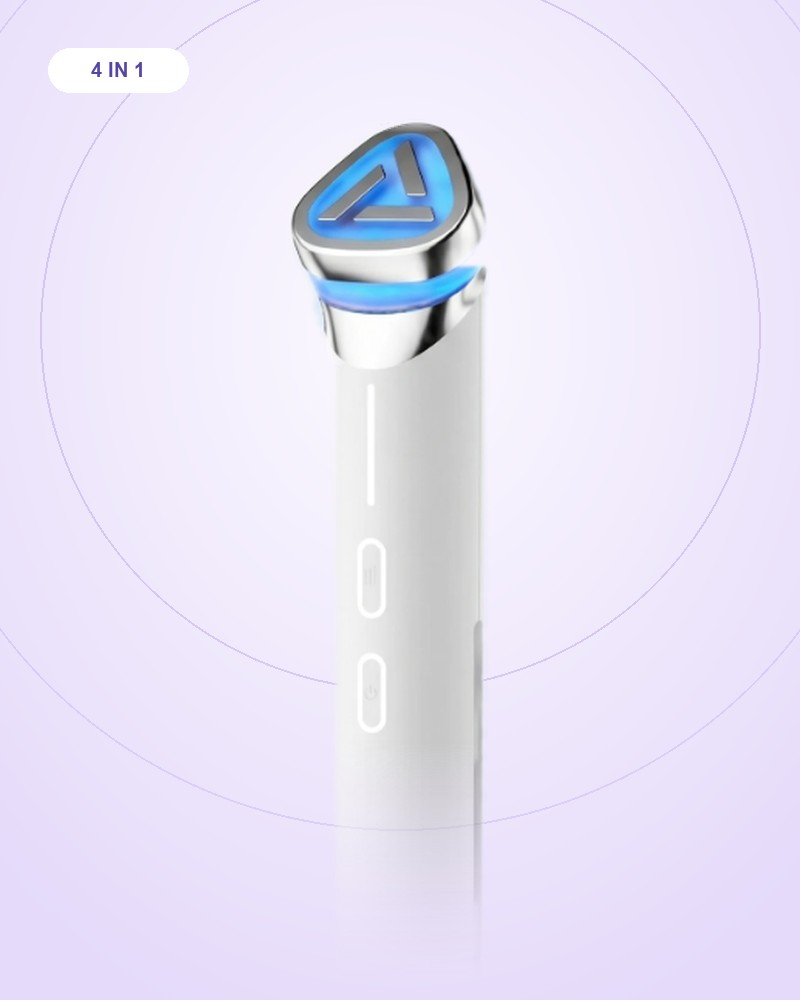
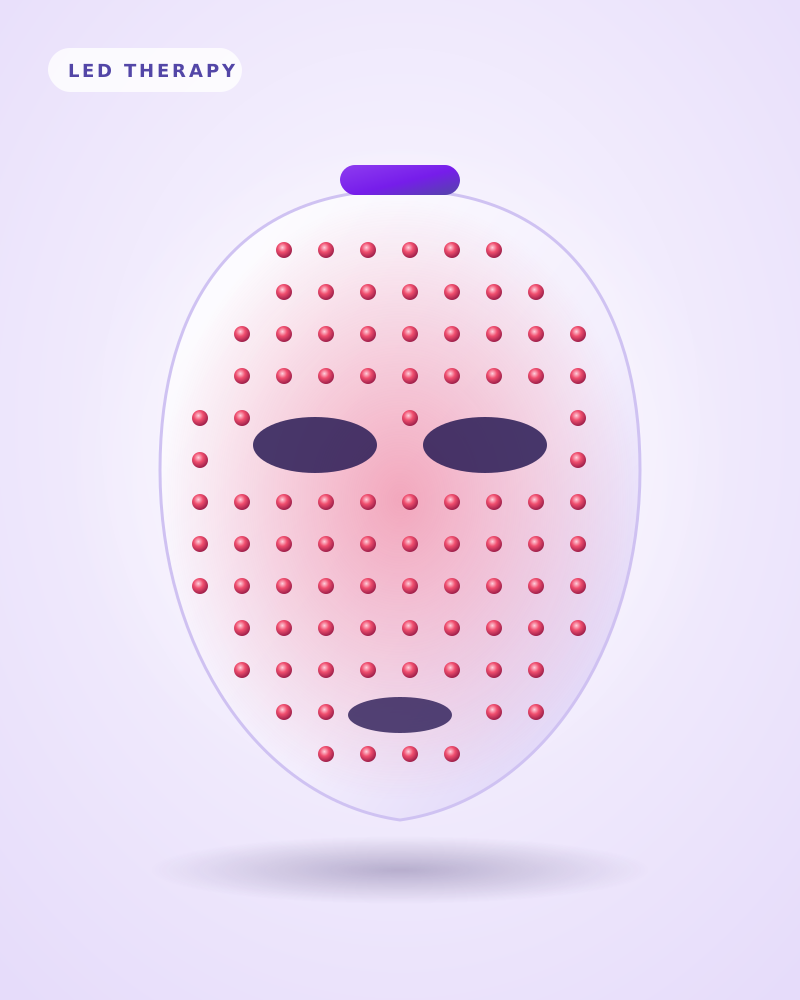
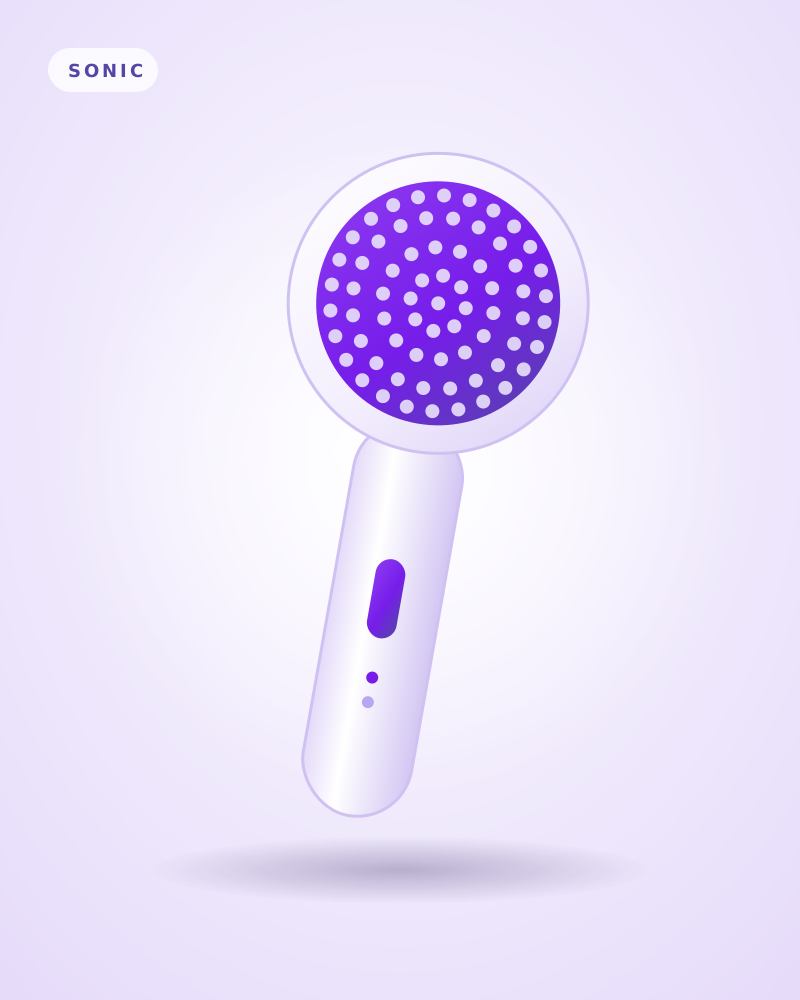
The Sculpt Microcurrent Toning Device uses twin rotating spheres with five intensity levels. The Spavio Lumipore combines microcurrent with green light in its Serum Boost mode, and EMS with blue light in its Micro-Lifting mode.
Who should not use microcurrent
- People with a pacemaker or any other electronic implant.
- During pregnancy.
- People with epilepsy or a history of seizures.
- On active acne, open wounds, infections or broken skin.
- Directly after injectables — wait at least two weeks after Botox or fillers and ask your practitioner.
Frequently asked questions
Does microcurrent hurt?
No. Most people feel nothing or a light tingle. Some notice a brief metallic taste or see flashes when working near the eyes — lower the intensity if that happens.
Why do I need conductive gel?
Gel lets the current flow evenly between the device and your skin. Without enough gel, the device works less effectively and may feel prickly.
Can I use microcurrent after Botox or fillers?
Wait at least two weeks after treatment and ask your practitioner first. After that, most people can use microcurrent as normal.
How often should I use microcurrent?
About five times a week for the first 60 days, then two or three times a week to maintain the results.
This guide is general information, not medical advice. Always follow your device's instructions. If you have a skin condition, are pregnant, take photosensitising medication or have an implant such as a pacemaker, talk to your doctor before using beauty devices.