RF Skin Tightening at Home: How Radiofrequency Works for Firmer-Looking Skin
Radiofrequency, or RF, is a staple of professional skin-tightening treatments. At-home RF devices use the same principle at a gentler level. Here's what RF does, how to use it well and how it fits alongside other technologies.
Spavio AI editorial team5 min read

How radiofrequency works
RF devices send radiofrequency energy into the skin, where it creates gentle, controlled heat in the deeper layer (the dermis) while the surface stays comfortable.
Warming the dermis to around 40–42 °C is associated with collagen remodelling — the skin's natural process of renewing its support structure. Over time this can support skin that looks firmer and smoother. The ThermaLift RF Skin Tightener uses built-in temperature sensing to keep every session in this comfortable range.
What results to expect
RF results are gradual and subtle. Most people notice skin that feels smoother soon after a session, while visible firming builds over 6–8 weeks of regular use.
At-home RF is a great way to maintain your skin between professional treatments, or as a gentle alternative to them — it isn't a replacement for surgery or clinic-strength procedures.
How to use an RF device
- Start with clean, dry skin and apply the gel or conductive medium recommended for your device.
- Keep the device moving at all times in slow circles or upward strokes — never hold it still in one spot.
- Treat each zone (forehead, each cheek, jawline, neck) for 3–5 minutes.
- Use RF two to three times a week, not daily, to give your skin time to respond.
- Stop immediately if anything feels hot rather than pleasantly warm.
Aftercare
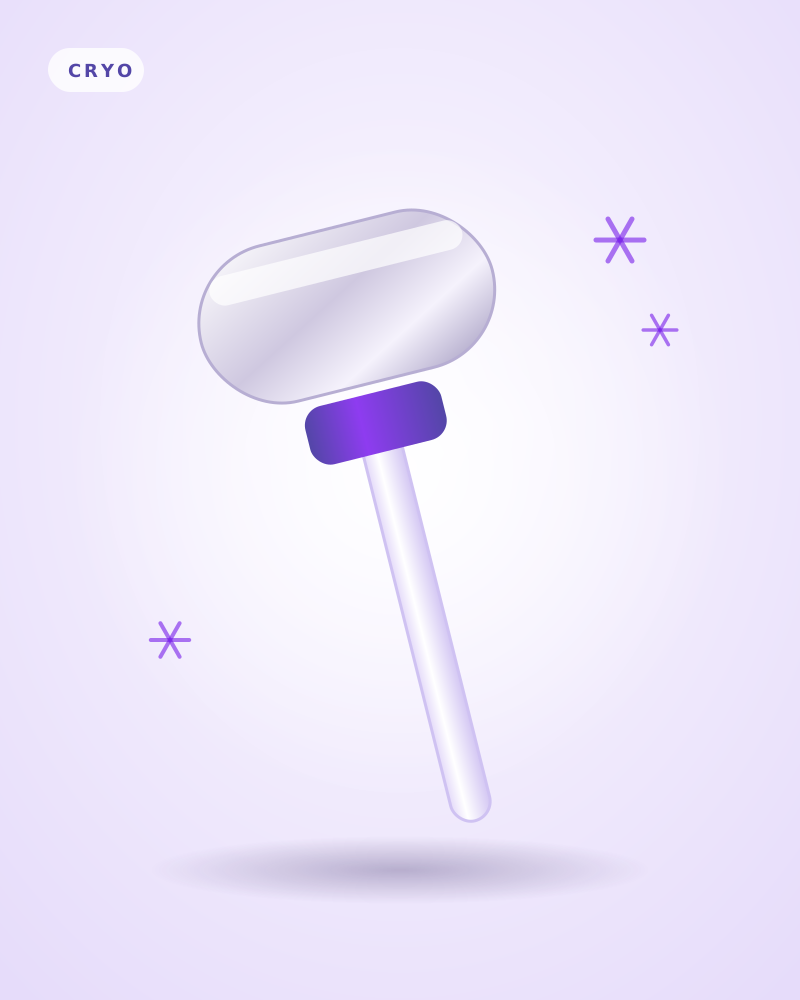
Mild warmth and a slight flush afterwards are normal. A cold roller such as the Cryo Glow calms the skin, and a hydrating moisturiser helps it recover. Use SPF every morning.
Who should not use RF
- People with a pacemaker or other electronic implants.
- Anyone with metal implants in the treatment area.
- During pregnancy.
- Over recent fillers or threads — ask your practitioner how long to wait.
- On inflamed skin, active acne, rosacea flare-ups, sunburn or open wounds.
RF, microcurrent or LED?
- RF: gentle heat in deeper skin layers for a firmer, smoother look — 2–3 times a week.
- Microcurrent: low current to tone facial muscles for a lifted, defined look — up to 5 times a week.
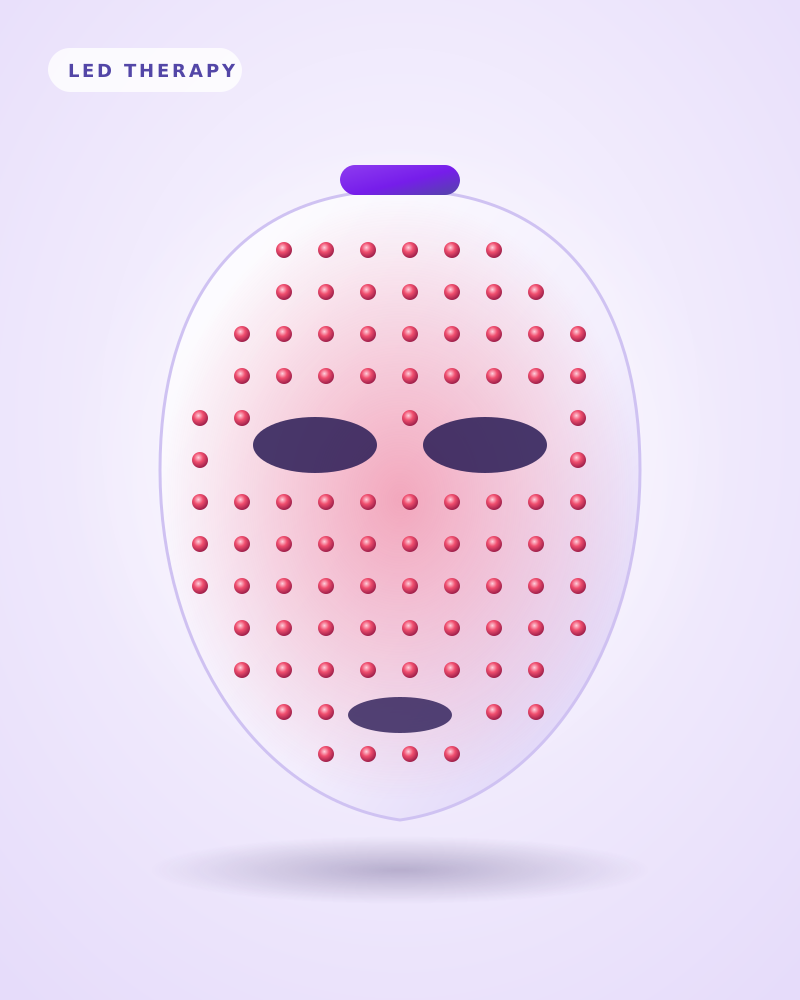
- LED: light to support tone, clarity and radiance — 3–5 times a week, easy to combine with both.
Frequently asked questions
How often should I use an RF device?
Two to three times a week is ideal. Your skin needs time between sessions to respond to the warmth.
Can I combine RF with microcurrent?
Yes — ideally on alternate days, for example RF on Monday and Thursday and microcurrent on the other days. LED can be used on either day.
Is at-home RF safe with fillers?
Heat may affect some fillers. Avoid treating filled areas and ask your practitioner before using RF over them.
Does RF hurt?
No. It should feel like a warm massage. If it ever feels hot or uncomfortable, move faster or lower the level.
This guide is general information, not medical advice. Always follow your device's instructions. If you have a skin condition, are pregnant, take photosensitising medication or have an implant such as a pacemaker, talk to your doctor before using beauty devices.