IPL Hair Removal at Home: How It Works and How to Get Results
IPL (intense pulsed light) is one of the most popular ways to reduce unwanted hair at home. Used correctly, it can mean weeks of smooth skin between touch-ups. Used incorrectly, it simply won't work. Here's what you need to know before your first flash.
Spavio AI editorial team6 min read

How IPL works
IPL devices release short flashes of broad-spectrum light. The pigment (melanin) in the hair absorbs the light and turns it into heat, which travels down to the follicle and makes it less able to grow new hair.
IPL only affects hairs that are in their active growth phase. Because hairs grow in cycles, you need a series of treatments to catch every follicle at the right moment — that's why the first weeks follow a fixed schedule.
Who IPL is suitable for
IPL works best when there's a clear contrast between skin and hair: light to medium skin with darker hair gives the best results.
It does not work on white, grey, light blonde or red hair, because those hairs contain too little pigment to absorb the light. It is also not suitable for very dark skin, where the skin itself would absorb too much light. The Silk IPL's integrated skin-tone sensor checks your skin before every flash and blocks the device if your skin tone is too dark.
How to prepare your skin
- Shave the area the day before or on the day — don't wax, epilate or pluck, because IPL needs the hair root in the follicle.
- Make sure skin is clean, dry and free of lotion, deodorant and self-tanner.
- Avoid sunbathing and tanning beds for two weeks before and after treatment.
- Do a patch test on each new area and wait 24 hours to check your skin's response.
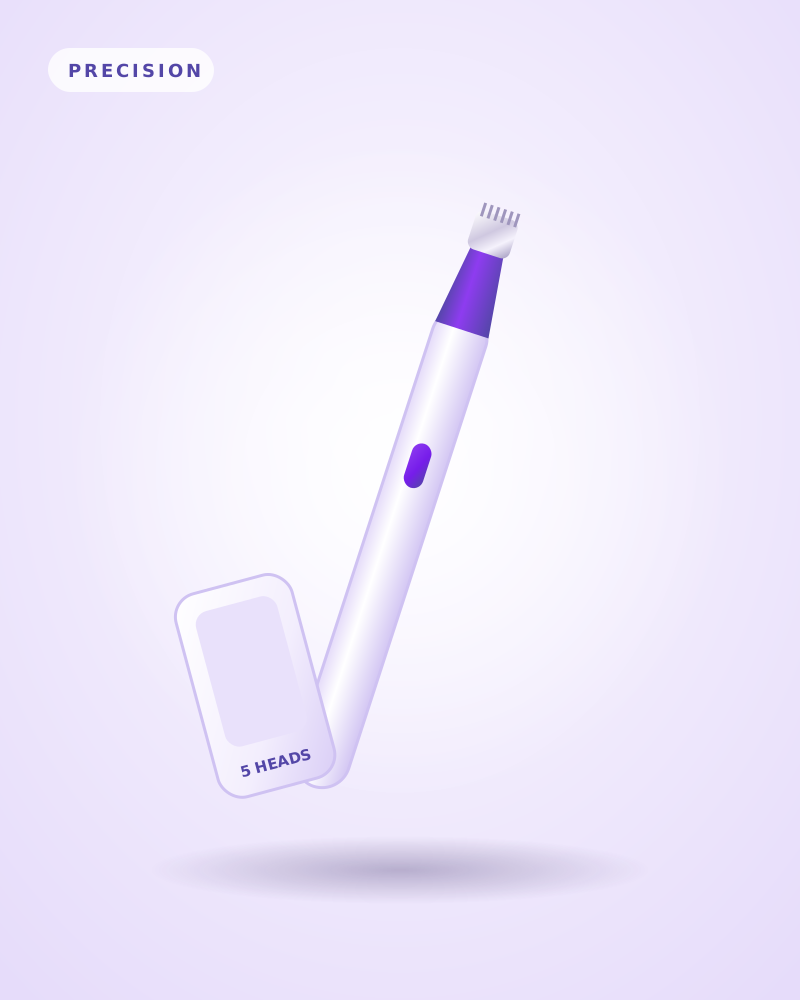
- For the face, tidy fine hairs with a trimmer such as the Precision Face & Brow Trimmer.
The treatment schedule
Treat each area once a week for the first 4 to 12 weeks. Many people see visible reduction after about four sessions, with the best results after the full initial phase.
After that, switch to touch-ups every 4 to 8 weeks, or whenever you notice regrowth. Hormones, medication and hair colour all influence how quickly hair returns.
Areas to avoid
- Around the eyes, including eyebrows, and on the lips.
- Tattoos, permanent makeup, dark moles, birthmarks and freckle clusters.
- Broken, sunburnt or irritated skin, and areas with active eczema or infections.
- Nipples, genitals and anal area — follow your device's manual for the bikini line.
Aftercare
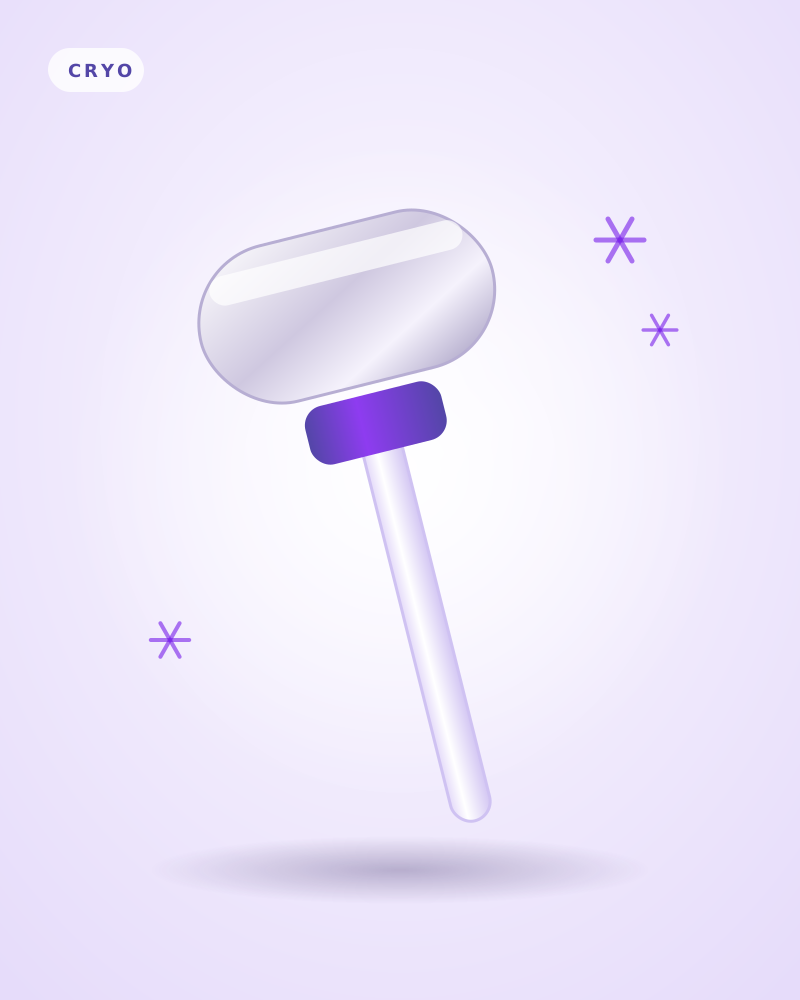
Mild warmth or redness right after a session is normal and usually fades within a few hours. Cool the skin with a cold roller such as the Cryo Glow, apply a fragrance-free moisturiser and avoid hot showers, saunas and heavy exercise for 24 hours. Protect treated areas with SPF 30 or higher.
Frequently asked questions
Is IPL hair removal permanent?
IPL gives long-lasting hair reduction rather than permanent removal. After the initial treatment phase, occasional touch-up sessions keep skin smooth.
Does IPL hurt?
Most people feel a warm snap, like a rubber band. Start on the lowest energy level and increase gradually. A cooling sapphire window, like the one on the Silk IPL, makes sessions more comfortable.
Can I use IPL on my face?
Many IPL devices can be used on the face below the cheekbones, for example on the upper lip and chin. Never use IPL around the eyes, and always check your device's manual.
What's the difference between IPL and laser hair removal?
Lasers use a single, concentrated wavelength and are operated by professionals. IPL uses a broader spectrum of light at a lower intensity, which makes it suitable for safe use at home over a series of sessions.
This guide is general information, not medical advice. Always follow your device's instructions. If you have a skin condition, are pregnant, take photosensitising medication or have an implant such as a pacemaker, talk to your doctor before using beauty devices.